
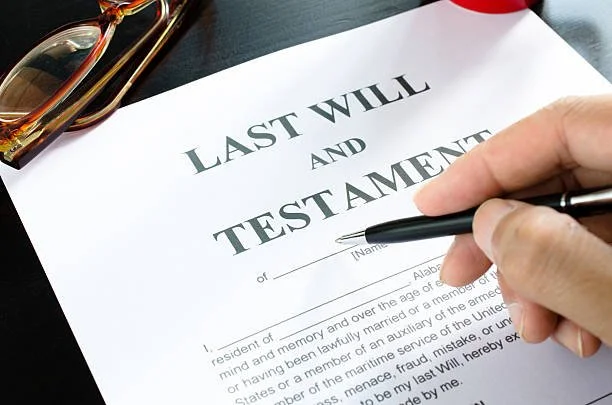
Make A Will Month
August is Make a Will Month - a time to take a simple step that can bring peace of mind today and protect the people and causes you care about tomorrow.
Plan Today
✳︎
Protect Tomorrow
✳︎
Plan Today ✳︎ Protect Tomorrow ✳︎
Why It Matters
A will is one of the most important gifts you can give your loved ones. It ensures your wishes are honored and can help prevent confusion, delay, and unnecessary expense. It also allows you to support the causes and organizations that have made a difference in your life, like Friendship Haven.

Protect the people
you love.

Ensure your wishes
are honored.

Leave a legacy that
reflects your values.
Resources to Help You Get Started

Introduction to Wills
(American Bar Association)
Helpful information and answers to common questions.


Local Attorneys
We have a list of trusted local attorneys experienced in estate planning services.
Doug Lockin, CPA
Doug Lockin is available to visit with residents and families about legacy giving and estate planning options.


The Star Society
Our Star Society recognizes individuals who have included Friendship Haven in their estate plans through bequests, charitable trusts, gift annuities, or life insurance. Such planned giving can achieve personal goals, reduce taxes, and support our mission. Friendship Haven provides an average of $2 million in charitable care annually, with the Care Trust Fund and Good Samaritan Fund ensuring residents' peace of mind while maintaining confidentiality.
For more information about any of these funds, the Star Society, or to make a donation, please contact Jen Lane, Director of Engagement, at 515-573-6005 or click the button here.
-
A will is a legal document that outlines your final wishes including how you want to distribute your property, allows you to name an executor to carry out your wishes and, if applicable, appoints guardians for minor children or pets.
-
When you make a will, you must meet three technical requirements:
You must be at least 18 years old and of sound mind.
The will must be signed by at least two witnesses who watch you sign the will.
You must sign and date the will.
-
A will gives you control over who receives your property, helps minimize confusion among family members, and can simplify the probate process. Without a will, state law determines how your assets are distributed.
-
Every adult should have a will, regardless of age or wealth. If you own property, have children, are married, or have specific wishes about your estate, a will is especially important.
-
If you die without a will, (known as dying “intestate”), state law determines who inherits your assets. This may not reflect your personal wishes.
-
A will typically includes your beneficiaries, an executor, guardians for minor children (if applicable), specifics gifts of money or property, and instructions for distributing the remainder of your estate.
-
An executor is the person you choose to carry out the instructions in your will, settle your estate, pay debts and taxes, and distribute assets to beneficiaries.
-
Yes. As long as you are mentally competent, you can update or replace your will at any time. It’s a good idea to review your will every three to five years or after major life events.
FAQ: Creating a Will
-
A will generally controls real estate, personal property, vehicles, bank accounts with designated beneficiaries, and investments without transfer-on-death designations. Some assets such as retirement accounts and life insurance policies with named beneficiaries, pass outside of a will.
-
No. A will typically goes through probate. However, having a valid will often makes the probate process smoother than if no will exists.
-
Probate is the legal process of validating a will, paying debts, and distributing assets according to the will or state law.
-
Yes. Many people choose to leave a percentage of their estate, a specific dollar amount, or particular assets to charities they care about. These gifts create a lasting legacy while supporting causes that are important to them.
-
Store your original in a safe, accessible location, and let your executor know where it is. Avoid places that may be difficult to access after your death, such as a locked safe deposit box unless others have authorized access.
-
A will directs how your assets are distributed after death and generally goes through probate. A trust can manage assets during your lifetime and after death and may help avoid probate for assets held in the trust.
-
There are two options:
If you’d like to go the DIY route, you can find online software to help with the process. There is necessary language to include, based on your state’s requirements. You’ll need to select a will executor, and then print and sign your will in front of a third party witness.
If your estate plan is at all complicated, you should consider consulting an estate planning attorney. Hiring a professional can help ensure your will meets all legal standards.

"Friendship Haven has been part of my life for as long as I can remember. Several members of my family have called it home, and we've always been grateful for the outstanding care, delicious meals, engaging activities, and genuine sense of community. That's why I've chosen to include Friendship Haven in my estate plans—so future generations can experience the same compassion and quality of life that my family has."
- E. John Zuerrer
Law Offices with Estate Planning Attorneys in Fort Dodge
(may not be a comprehensive list)
-
Conrad Law Firm
515.573.7612
htts://www.nciowa.com/ -
Hendricks Law Office
515.576.4127
https://ciowalaw.net/ -
Johnson, Mulholland, Cochrane, Cochrane, Yung & Engler P.L.C.
515.639.3124
https://www.johnsonlawia.com/ -
Osborn Stubbs Law Office, P.C.
515.955.5585
-
Schnurr Law Firm, PC
515.576.3977
www.schnurrlawfirm.com -
Walker Law Office, P.C.
515.576.0671
www.walkerlawia.com